Ingredient summary sheet
A short, plain-text summary of the declared ingredients above, formatted for readers who want to bring a printed reference to a pharmacy or clinic visit.
Formula guide 02
Vitamin A + Zinc with supporting nutrients, explained in plain editorial language.
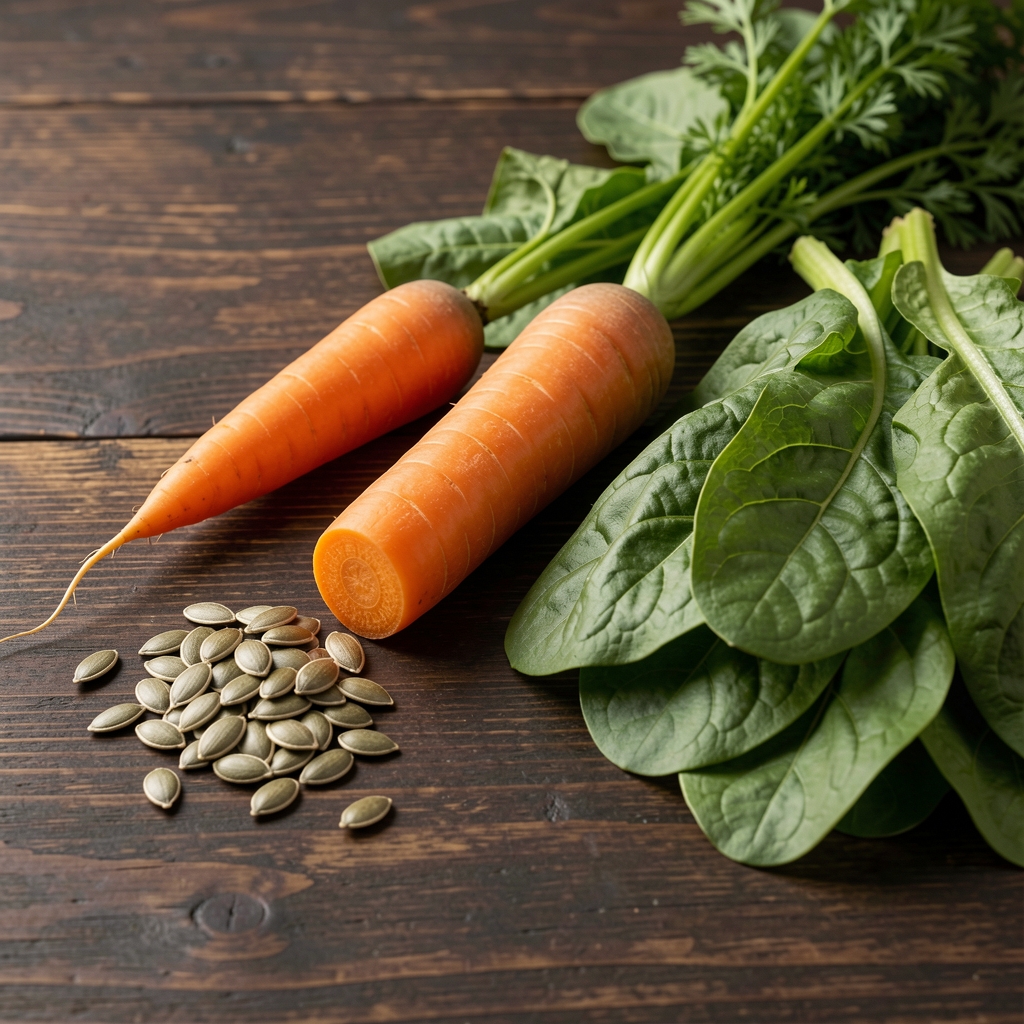
Vitamin A and zinc are familiar names in nutrition writing. This guide focuses on their stated forms and amounts, while keeping the wider context of varied food, sensible routines and individual needs in view rather than presenting either nutrient as a stand-alone solution.
Vitamin A contributes to the maintenance of normal vision. Zinc contributes to the maintenance of normal vision and to the protection of cells from oxidative stress. These two sentences are the recognised nutrient function statements referenced throughout this page, and they are attributed to the individual nutrients rather than to the product as a whole.
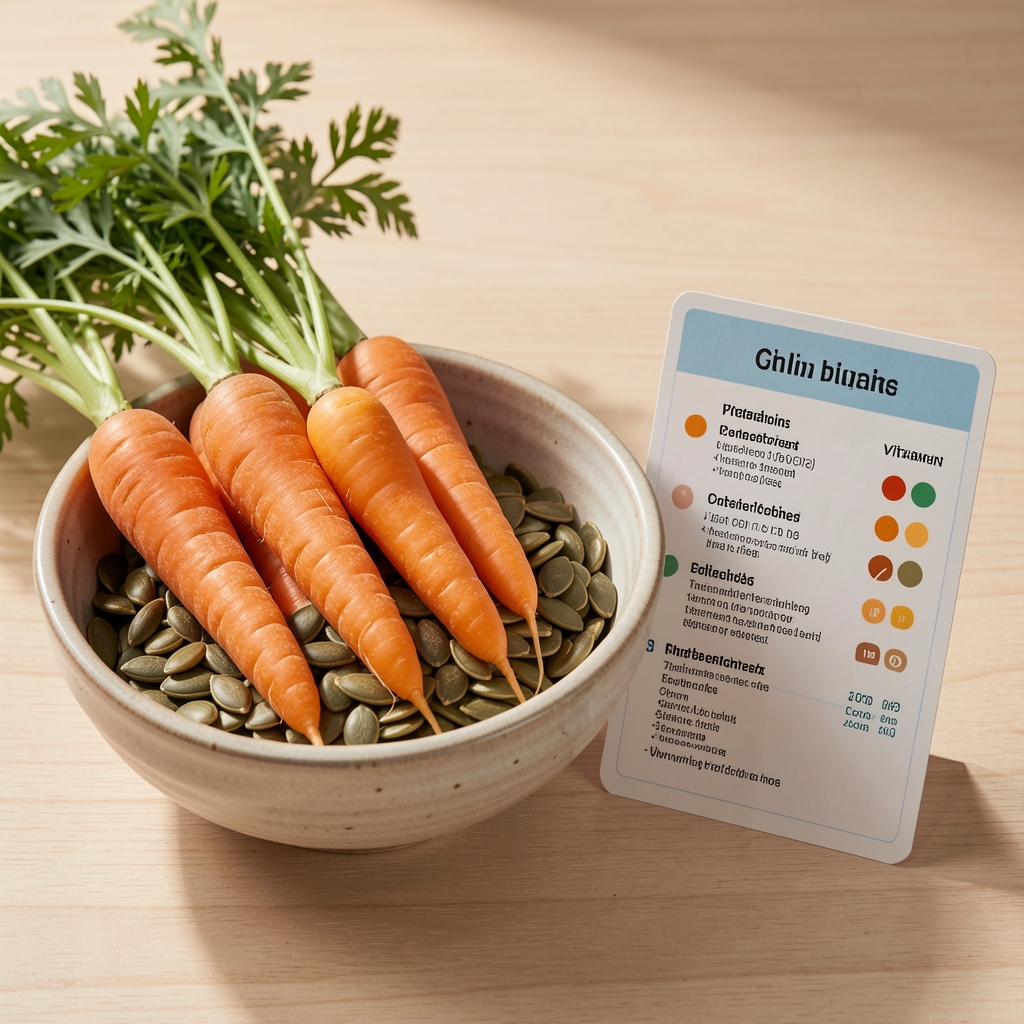
| Nutrient | Form | Per capsule | % NRV |
|---|---|---|---|
| Vitamin A | Retinyl acetate | 800 µg RE | 100% |
| Zinc | Zinc gluconate | 15 mg | 150% |
| Selenium | Sodium selenite | 55 µg | 100% |
| Vitamin B2 | Riboflavin | 1.4 mg | 100% |
| Copper | Cupric sulfate | 1 mg | 100% |
Readers often ask how a supplement like this fits into an ordinary day. The steps below describe a general, non-prescriptive way to think about the timing of a single serving, based on common label guidance rather than any instruction specific to StorneVis A+Zinc.
Clear labels help readers make calm, informed choices about how a supplement fits into their existing diet, rather than treating any single product as a complete answer.
A short, plain-text summary of the declared ingredients above, formatted for readers who want to bring a printed reference to a pharmacy or clinic visit.
A short glossary explaining NRV, RE (retinol equivalent) and other label abbreviations used across our StorneVis guides.
Reference material described above reflects the same label data published on this page; no separate document changes the declared amounts shown in the table.
Some nutrition references note that very high zinc intake over a long period may affect how the body handles copper, which is one reason a modest amount of copper is included alongside zinc in some multi-nutrient formulations. This is general nutritional background, not a claim about StorneVis A+Zinc's effect on any individual, and readers with specific concerns should discuss their overall mineral intake with a healthcare professional.